Monday 27th January 2020 to 25th September 2020. 242 days as a ground school since I first started with L3Harris in Coventry, and since then so much has changed. So much has changed for me, my family, my course, where I was based, my instructors and the whole world, and none of this could’ve been predicted when I started. In this blog, I’m not going to explain what I did every day, but I am going to highlight a few key events in my ground school experience, what I’ve learnt from it, what I would do differently, and my advice to someone about to embark on the same journey as me. As just a bit of warning, this is a long blog, so clear your diary, sit back, and enjoy!
Before Starting
Do your research is a huge number one rule. Personally, I went to view L3Harris at Southampton on one of their open days, went to Pilot Careers Live at Heathrow airport and was in contact with a number of other flight schools. Also, speak to people who are currently training, recently finished training, or is currently flying for an airline as the advice they can give you is incredible. Thankfully, I was able to speak to 2 pilots, one who works for EasyJet and the other is with Ryannair who both trained with L3Harris, but was under a different name. And thanks to both of them, they were able to give me some information about what I was going into, and having my eyes partially open from their advice was invaluable.
Next, look at yourself. Are you in the right mind to do this? Now, a lot of people will say that they could, but when I explain later on about the work thats involved, do you really want it so badly that you’re willing to put in the work, and do you think you’ll be able to do all of the work in the timeframe required? If the answer is yes to all of those questions, then this is 100% right thing for you. It’s not going to be an easy ride, and flight schools and other organisations alike make this very clear to you before starting, but with shear determination and hard-work you will get through it.
Before applying to your flight school of choice, I would highly recommend booking a course with Airline Prep (I am not endorsed by them in any way, but they were so helpful to me, I believe I wouldn’t be where I am today if it wasn’t for their help) as they will help you with sorting your CV into a style thats suitable for where you’re applying, help with your interview technique and most importantly from my point of view, help with the group exercises. I hadn’t done one of those before so was good to have practice at Airline Prep before doing similar ones with L3Harris on my assessment day. For those who aren’t aware, a group exercise is the type of thing that can be along the lines of “how would you save this airline money” or “you’re stuck on a desert island, using XXX pieces of equipment how would you create a rescue plan?” or “you’re on a sinking ship/sinking aircraft/life raft/stuck in a cave type of thing and who would you choose to save”. They’re relatively straight forward to handle, but form an employers point of view, it’ very easy for them to see peoples true characters as time runs out and becoming more under pressure.
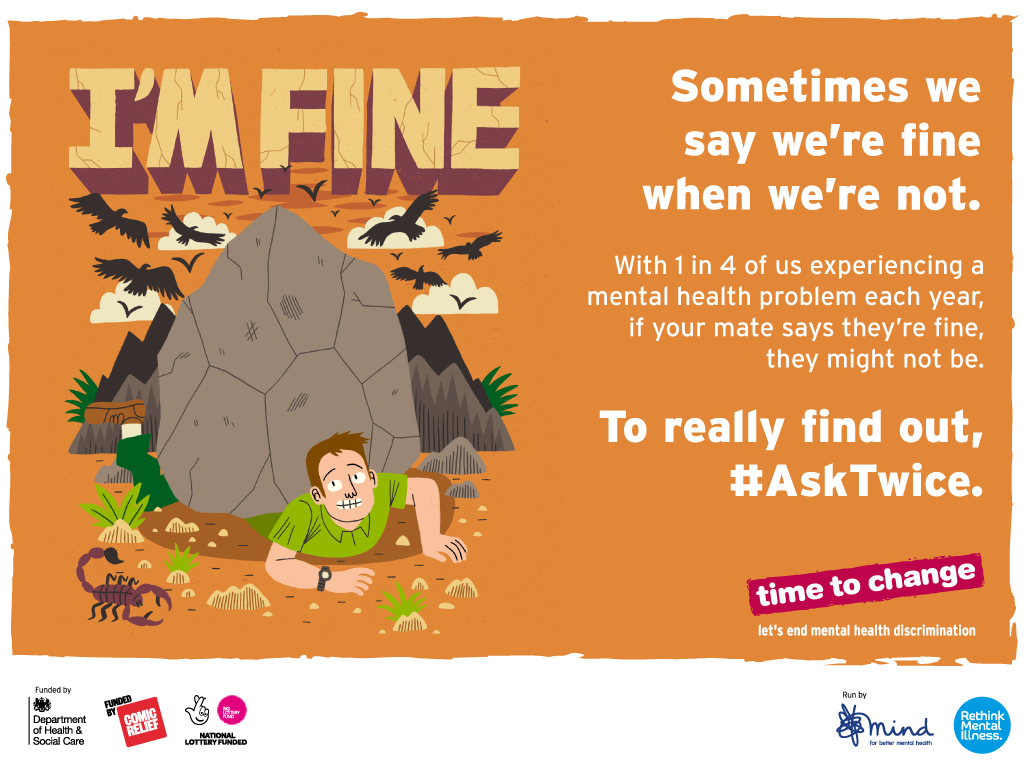
Finally, before starting, have some time off. Ground school is 29 weeks (35 weeks in my case) and you won’t be having any time off. Thats 29 weeks of hard work without a day off and very minimal time to see friends, family or other loved ones. So have some time off before you start so you’re fully fresh and ready to go, then arrange to speak to them a couple of times a week, to keep yourself sane and have an out from ATPL theory! For those friends and family of someone who’s going through ground school or is about to go through ground school, just check on them periodically. Phone in and ask firstly if now is a good time, and see how they’re doing by asking twice. It’s very easy for someone to dismiss a ‘how are you’ comment once, but a lot harder to dismiss it twice, and just them them know that you’re always at the end of a phone if they need you, this truly made the first few weeks in particular a lot easier for me.
The first few weeks and revision
For a lot more detail on the first day in particular and the first few weeks, please check out my first couple of blogs of ground school below:
- https://pilot-powling.co.uk/the-first-day/
- https://pilot-powling.co.uk/ground-school-weeks-1-2/
To sum it up briefly the first few weeks are like no other you’ll ever experience. The workload isn’t a test the water with your toe situation, it’s climb up this 20m diving board then perform a triple somersault before hitting the water with minimal splash! The workload is tough from the start, but good news, it doesn’t get much harder than from this point onwards. Yes there will be stages where you find it difficult or more difficult, but for many people, like myself this is your first experience of any ATPL theory so not only are these first few weeks difficult because you don’t know anyone (or its unlikely you’ll know anyone) but also because you’re not quite sure on what the course is going to entail going forwards. If you’ve done your research you’ll know all the subjects but you won’t now what everything is in each subject so your first grips of learning not only the shear volume but complexity of content as well will be a baptism of fire!
My advice for anyone about to start training is to realise what revision style suits you best. There is a numerous number of ways you could find out what type of learner you are and therefore developing a revision style round this. One of the places to do this is via the VARK website, standing for Visual, Aural, Read/Write, Kinaesthetic. So once you’ve established what ‘type’ of learner you are, you can use a revision style that suits you best.
https://vark-learn.com/the-vark-questionnaire/
I won’t lie, I didn’t find my revision technique soon enough in my honest option looking back, and is one of the things I wish that I had sorted sooner. I started off by re-writing my notes neater from the day and this turned out to be a huge waste of time. You simply don’t have time to re-write notes, and especially for me, it wasn’t effective and I think if I kept it going for much longer, I would’ve been in serious trouble. Next, I tried answering questions from an L3Harris supplied CTB standing for consolidation training booklet, and although this wasn’t quite there, it was a lot more helpful. Then I finally realised the technique I used from my GCSE’s… mind-maps. For me they worked perfectly, I consolidated the days work onto various mind-maps consisting of the important details we had learnt. Then at weekends, I would use the CTB to answer questions and highlight areas where my knowledge was lacking so I could re-revise these particular areas.
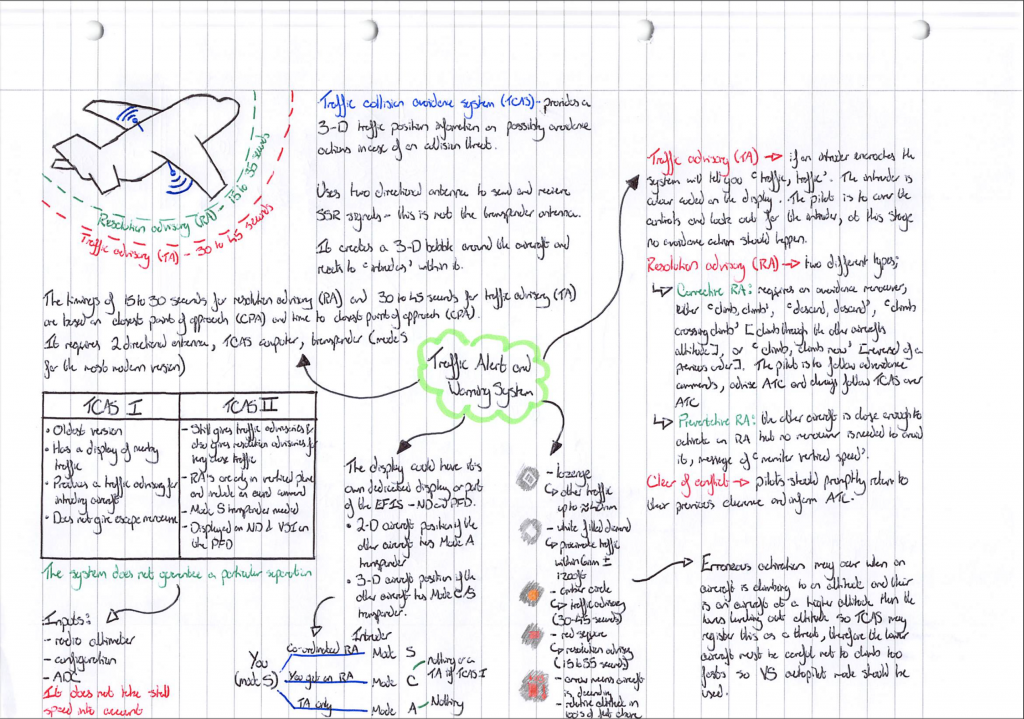
On top of this, in our accommodation in Coventry, we had pin boards for hanging on pieces of paper up. So, from the areas where I had identified my knowledge deficiencies I could write them up and post them round my room so I saw them frequently and thus would hopefully sink into my memory better. Then, I was able to take this one step further with further revision notes stuck up round the kitchen; on the extractor fan over the hob, on a pinboard by where we sat and on the fridge doors, just so frequently seeing these pieces of information would help them sink in. The person who came in to clean the kitchen surfaces once a week must have thought we were completely nuts! Then one day a couple of weeks before our exams, a teacher said about putting them in the toilet as your eye will naturally gravitate to read something while in there, and I can crazily confirm that this worked really well! Similarly, sticky notes will also be a great way of putting your work and life everywhere for frequent revision.
There are different views on pre reading depending on who you’re speaking to. Personally for me, it was nice to do a bit of preceding while eating my breakfast in the morning. Some people will say its a waste of time and may confuse you, while others will say its useful; personally I would say that you should try it for a week and if it works then carry on, and if it doesn’t then maybe call it quits on that idea! A lot of it is all about trial and error and learning and adapting your style based on what is and what sent working.
Others I spoke to used various methods, one of the common ones was the use of a whiteboard, for re-writing key facts over and over, rubbing out certain words and filling it in again. Personally I used one the night before exams for consolidation of last minute facts and this was quite effective so I can see why people found this effective for their main way of revision.
Finally, be the person who asks question. Asking questions is not a bad thing in the slightest! So what that you don’t know something? So what if there is a couple of seconds of laughter at your question because others think it’s a bit silly? I can almost guarantee that the question you are thinking, someone else will be thinking of something similar or along the same lines. And let’s face it, what is truly the worst that can happen? You think of a follow up question to the answer from your teacher and delay the class temporarily while the teacher answers your questions? Thats no big deal at all, and I’m sure that the teacher will be happy you’ve asked the question in the first place and will want to help you understand it. I passed my instruments EASA exam by 1 or 2 marks, and to think, could’ve answer a question correctly based on a question that I asked in lesson, and to think that if I didn’t ask that question, I may’ve failed that exam. I cannot say if this did or did not happen for definite because I asked a lot of questions and organised extra meeting on topics I was unsure about, but the chances are is that it is highly likely that did happen. But further on from this, let’s take it one step further and skip forward to flying. If you’re not sure on something and are scared to ask the question, it could have dramatic consequences in the air. We’ve listened to clips of effective and non-effective communication, where one example was a planed line up on the runway but wasn’t sure if the runway was vacated or not, by simply asking this question saved lives, no doubt about it as the runway was not clear, and a delay of a few seconds to ask the question and get a response is nothing at all. So ask the question!
The exams and question banks
The main reason you’re at ground school is so you can acquire the knowledge to take your 14 EASA exams – I believe this has changed now or is going to change to 13 exams where they’ve merged the two communications exams – and all the hard work and revision comes down to a total of 18 hours and 15 minutes of exams and a total of 682 questions in the exam room. Now, don’t get me wrong, I was nervous, scared, unsure, and a mixture of other emotions going into the exams, but once you get into the groove and done your first one, you have nothing to worry about if you’ve put the hard work and effort in.
As I’ve mentioned previously, there are various ways to revise for these exams but there is one phrase you’ll hear quite a lot when it comes to EASA exams, “banking”. This means going onto a ‘question bank’ which holds previously seen questions and sample questions to what you’re likely to see in the exam. There are a few different ones on offer, each with their own niche and I’ll briefly describe to you the differences between them, and which ones I would recommend based on the time of my exams. Since taking mine, there has been a new syllabus released with new questions so this advice is already outdated, but it will give you some idea of what it’s like.
- Aviation Exam (AvExam) – Brilliant for cementing in your knowledge. Most, if not all questions have an explanation to why it is that answer and the chain of reasoning as to how to get to that answer, and includes workings if applicable for some questions. The only downside is these questions are rarely seen in exams so are brilliant to ensure you know how to get to an answer but not necessarily seen the question before. Familiarity is quite nice under all the pressures on an exam!
- ATPL Questions – Linked to the Pad Pilot books we stay from (more on this a bit later) so are really useful for when you first start a module to get questions on the earlier topics. You can also narrow down questions onto a particular topic that you feel you need more practice on, which is very useful. The downside again though is these questions are all made up by Pad Pilot so you won’t see them in the exam. Depending on the question, we also think that a few answers in there are wrong, but this is only a few so not a huge issue in the long term.
- Pad Pilot – At the mid-point and end of a subject, Pad Pilot do tests that L3Harris make sure you complete and pass, these are one of the requirements to sit your EASA exam. I’ll speak more on this in a bit. But regarding their questions, they’re rarely seen in the EASA exam, but a few may slip into your Progress Test or School Final exam with L3Harris so definitely worth doing. The difficulty of the questions is almost always are the harder end of the question spectrum, if you don’t know your knowledge and have skipped in revision, then you’re going to be finding these difficult.
- ATPL Questions – One of the main ones I used. It has the ability to shorten down the search of questions to those that have been flagged as recently seen in an exam, so you can practice on the ones that have been coming up recently. However, the questions are entirely based on feedback from students across Europe, not just the UK. This means some of them can be wrong on there, so it’s important you know your knowledge to be able to answer the question.
- ATPL GS – Very similar to ATPL Questions and was the other main question bank I used. Similar to ATPL Question, you can narrow down your search on questions to the Last 200 seen in exams that students have flagged as seen so you can get familiar with the questions that are coming up in exams at the moment. Unlike ATPL Questions, you cannot narrow it down to what your country has seen though, so in that Last 200 could include the ones recently seen in Austria for example.
I believe there are a few more available online, but as I don’t have any experience of them, it would be unfair for me to say anything about them as what I say could either be untrue or heavily outdated.

The exams themselves are either multiple choice (A, B, C or D), pick XXX number from a list of YYY number (3 from a list of 5), fill in the blank from a list of 4 options or a type in (for numbers). So if writing essays isn’t for you, then you’re in luck! I believe that there is something in the pipeline going forwards to introduce essays into the exams and eventually have a 1-to-1 interview type exam to try and eliminate the use of question banks and pre-leaning questions and answers that may come up. This was not the case for my exams, and I only know this by speaking to tutors about the future as they’re not keen on learning off the question banks as you can expect!
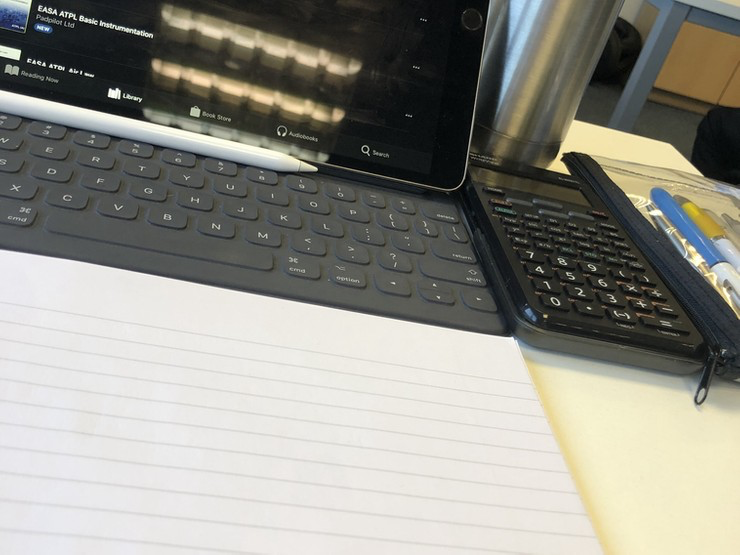
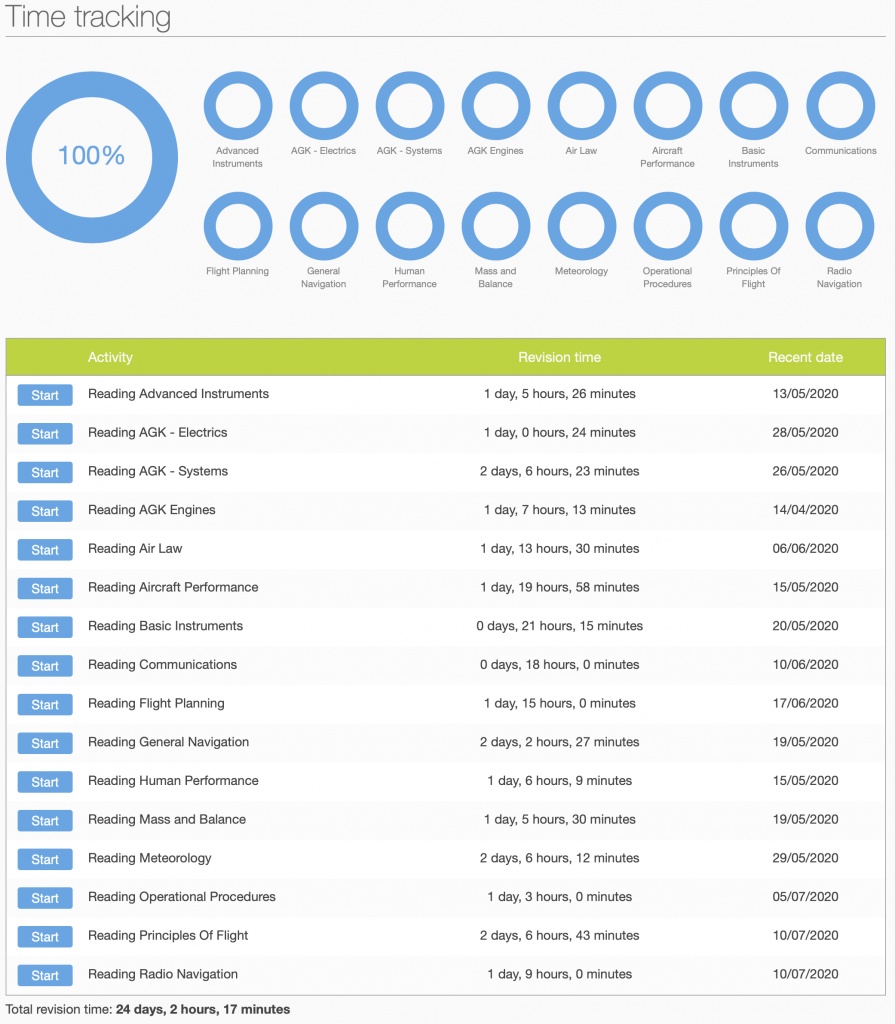
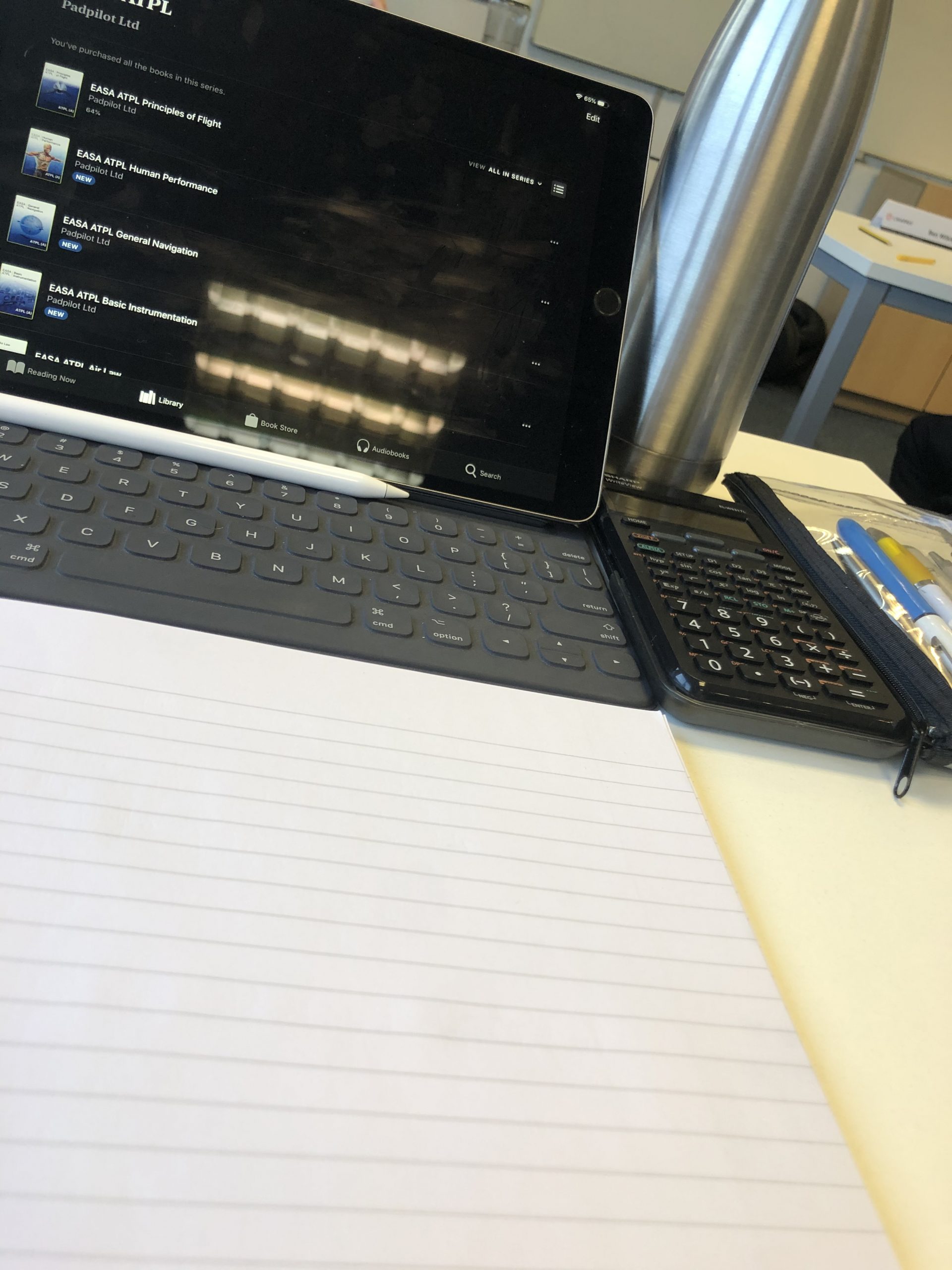
As I’ve mentioned above, PadPilot are the ones who write our textbooks and have tests for us students to complete. They include all the knowledge and more you need to pass your exams. Run on an iPad so you can highlight and annotate in their books, and easily search for certain things that you want to find, and skip ahead or back to certain areas with ease. As I’ve briefly mentioned above, they almost contain too much information, so what you’re reading and learning can be a bit of a waste of time, and then when it comes to questions, they could be highly unlikely to be seen in the exams not great the night before the exam when you’re last minute panic revising! When you’re reading your books, you set a timer so it logs when you’re reading to ensure you get the right amount of reading in and that way its logged for your tutors to see so they can be sure you’re spending time revising.
Uniform, accommodation and other facilities
I have previously mentioned about accommodation and uniform before, but for the sake of ease and everything being in one place and more easily accessible, I’m going to briefly repeat myself and outline the basics of both the L3Harris accommodation and the uniform we’re required to wear on a daily basis.
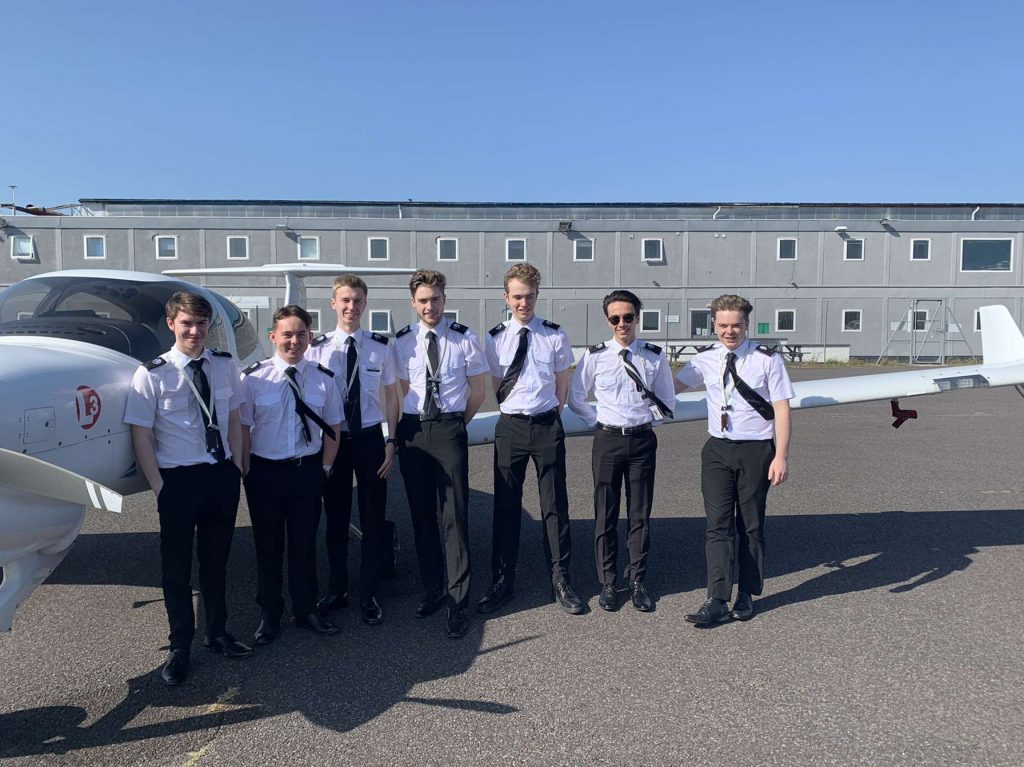
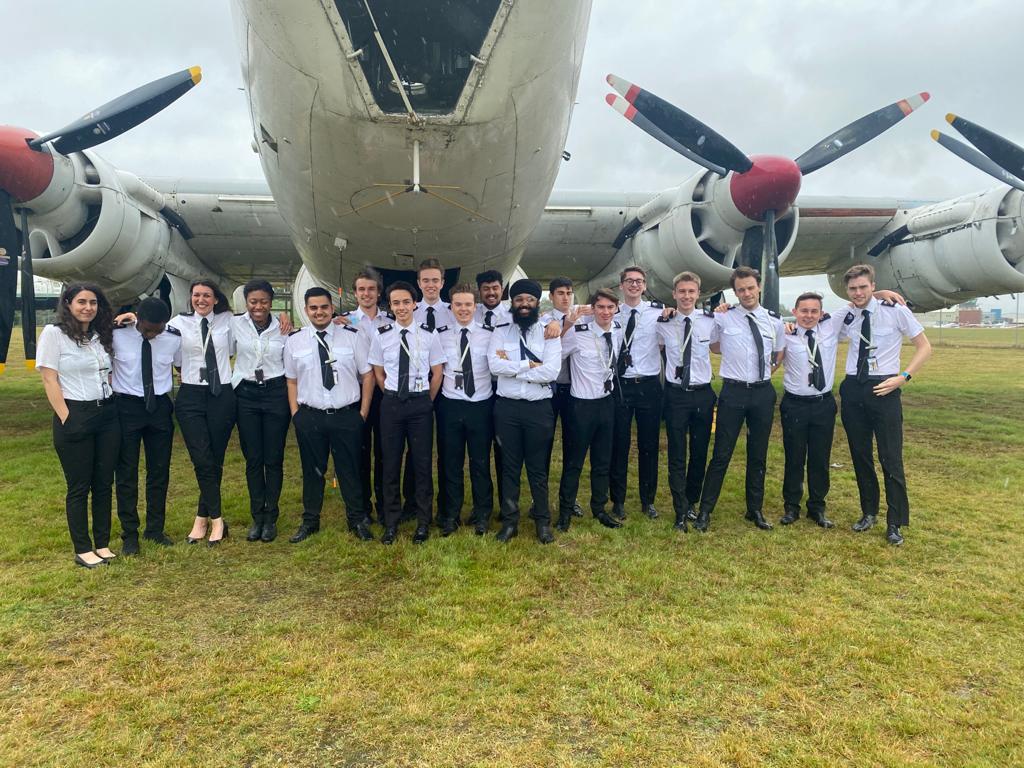
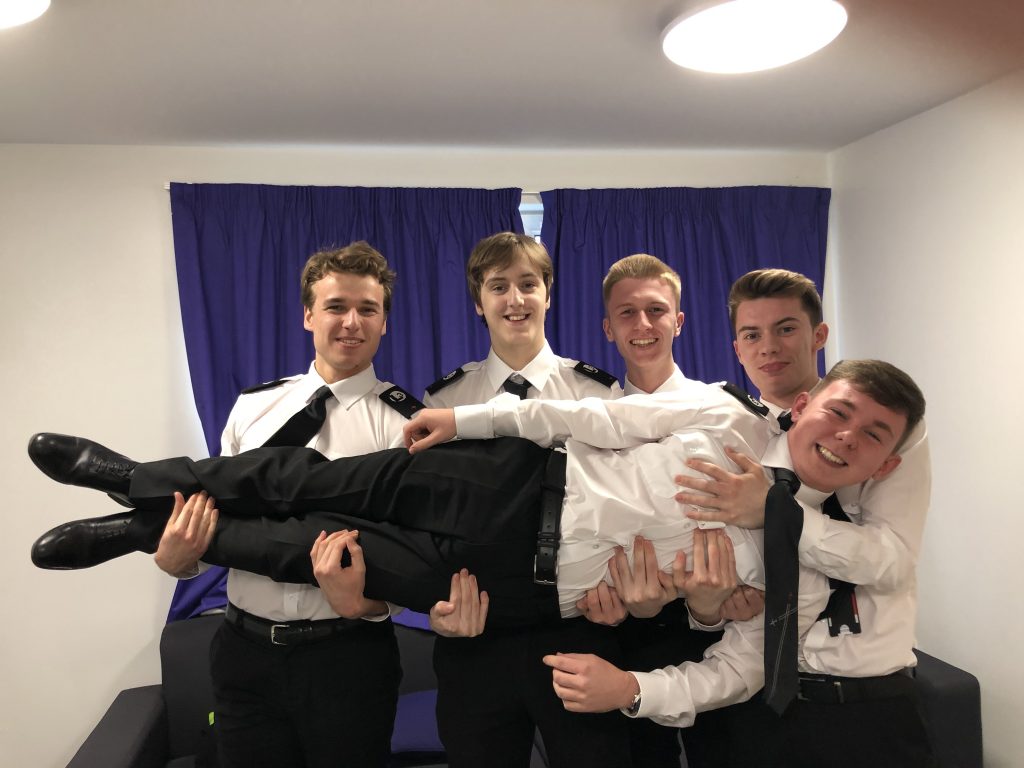
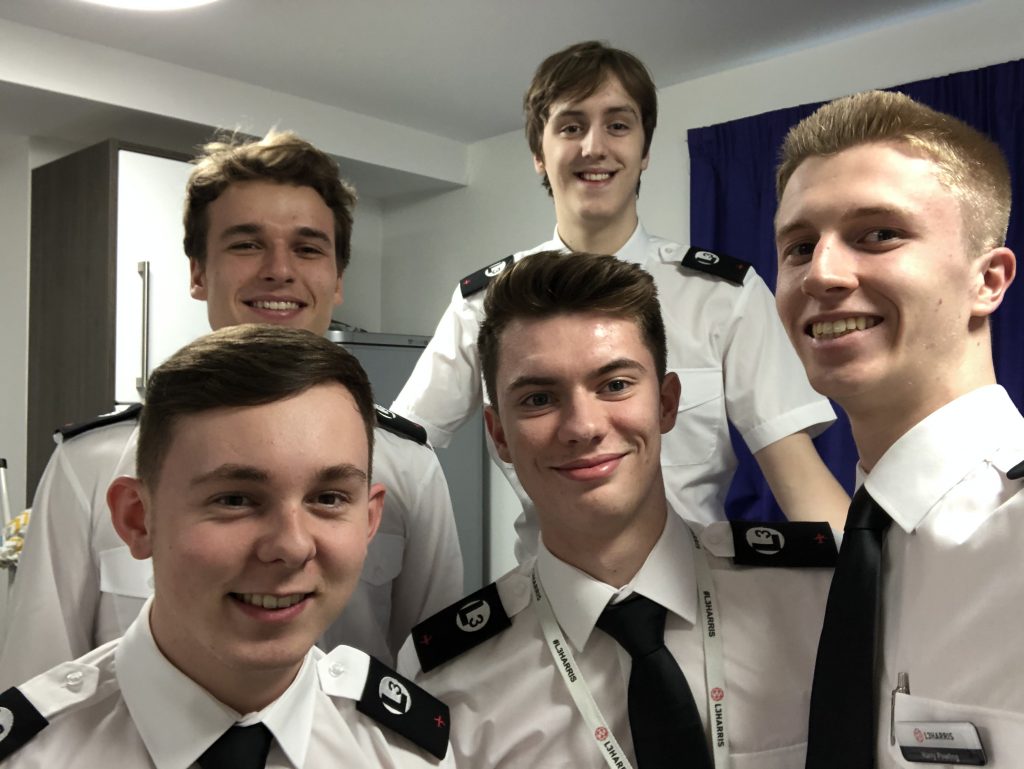
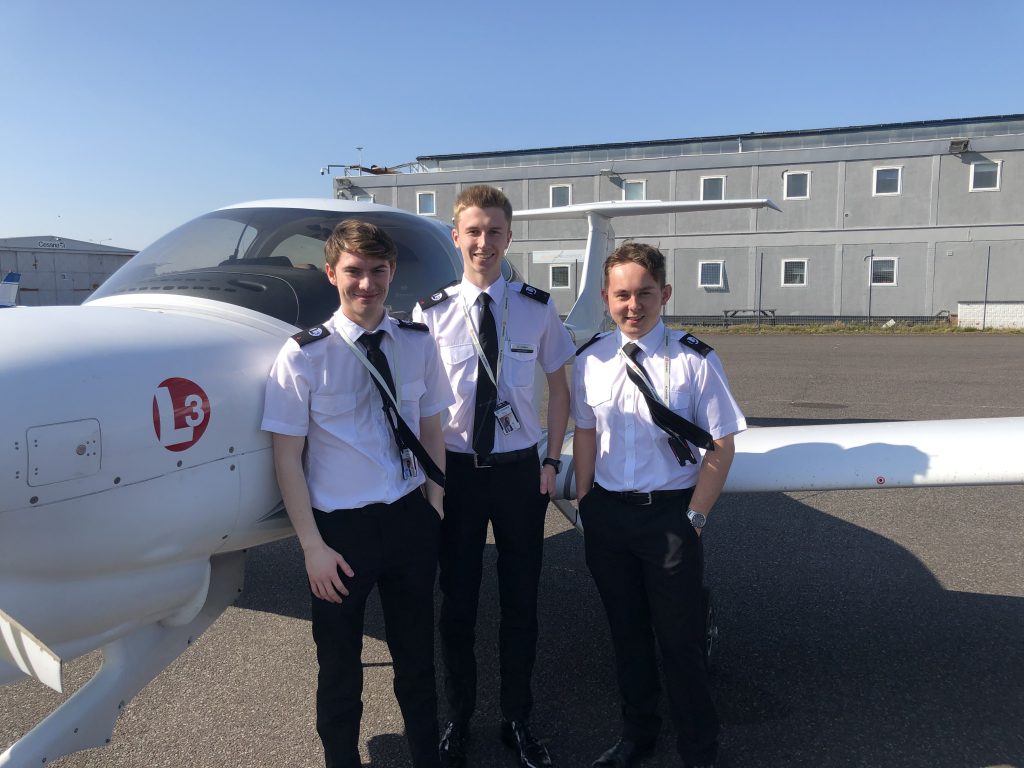
As previously mentioned and shown in the photos below, we have to wear a uniform and need to ensure that it is worn to a high standards and always neatly worn. At the end of the day, this is important, as you never get a second chance to make a good first impression. When someone asks you to picture a pilot, I’m willing to bet you don’t picture someone in a grey baggy tracksuit, flip flops, grey hoodie with last nights dinner spilled down the front and a flat cap covering half of their face. If you did then I’m slightly worried! Hopefully what sprung to mind was someone wearing clean, shiny black shoes, black ironed trousers, and a black belt (with a plain buckle to hold them up!), a crisply ironed which shirt with epaulettes on the shoulders, a tie (or the option to wear a scarf for women) done up to the collar with the top button done up, name badge on the left chest, pen in pen pocket, name badge or security access round their neck, and a watch on their wrist. What I have just described there is the L3Harris uniform policy that we have to follow every time we put on our uniform, as not only to we represent ourselves when we wear it, but we also represent L3Harris as a company and our industry as a whole. It’s quite easy to remember an instance when someone didn’t follow the rules and looked a mess, but when everyone is smart, day in, day out, it makes the aviation industry look very professional and a respectable industry.
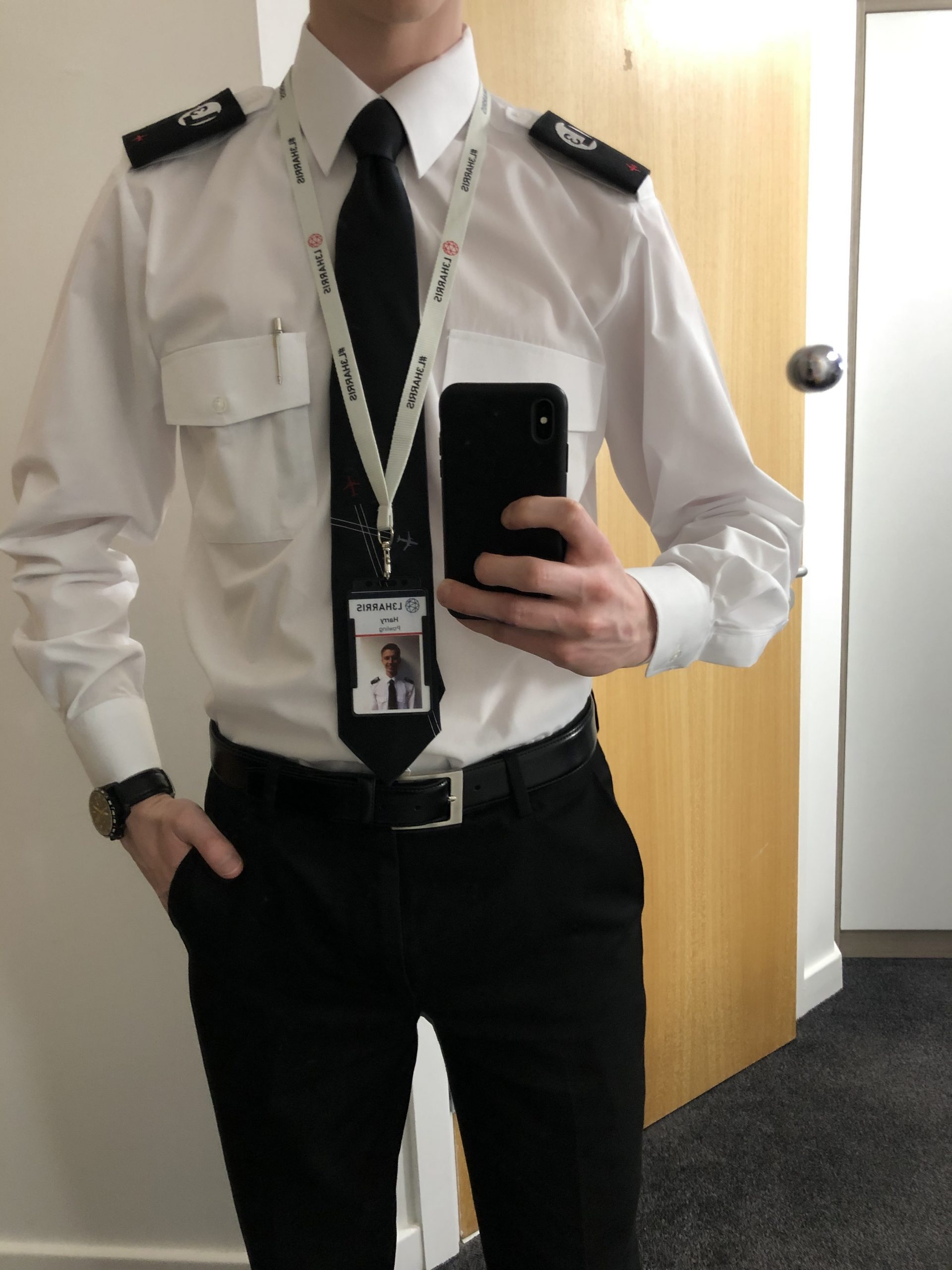

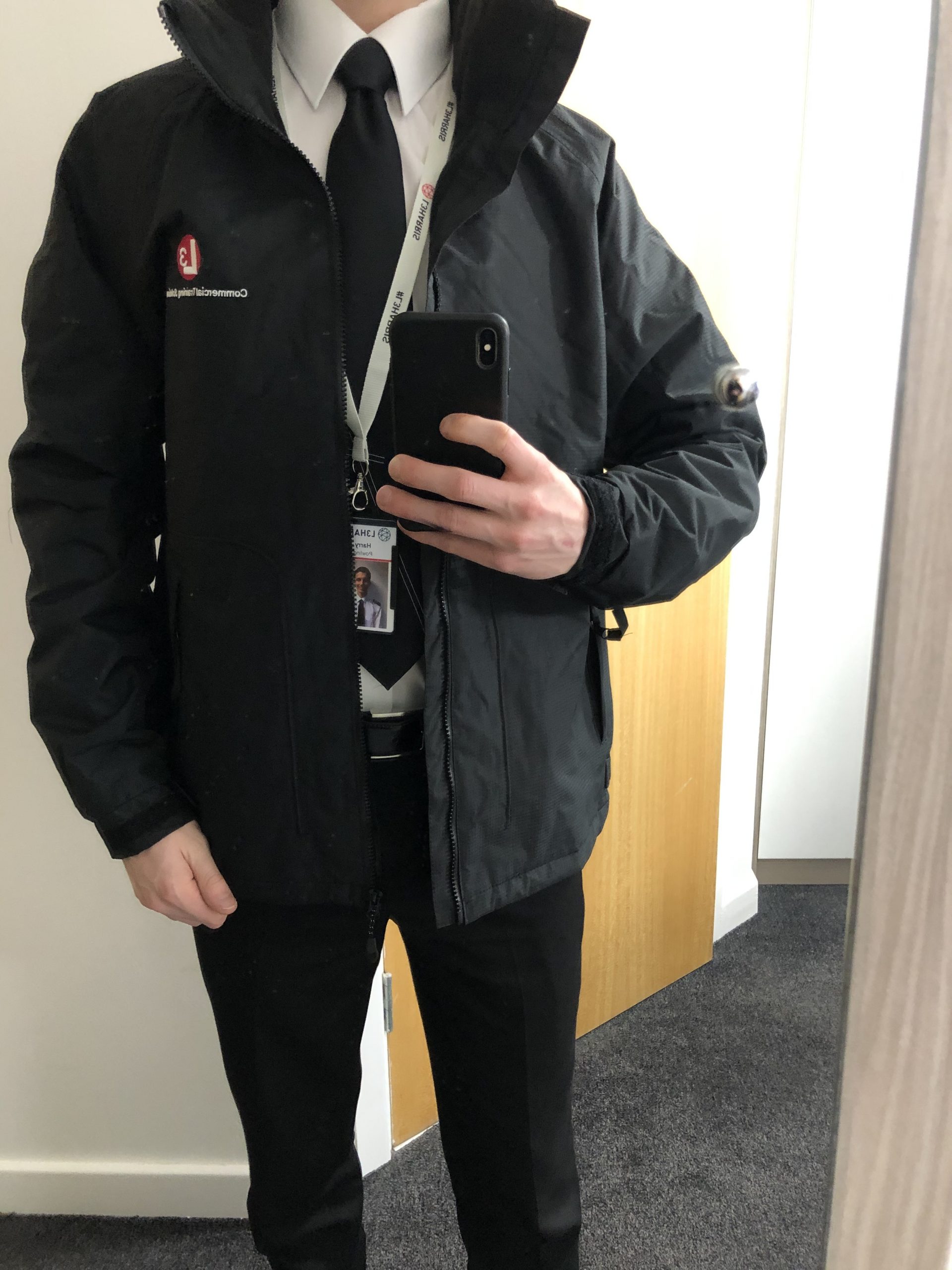
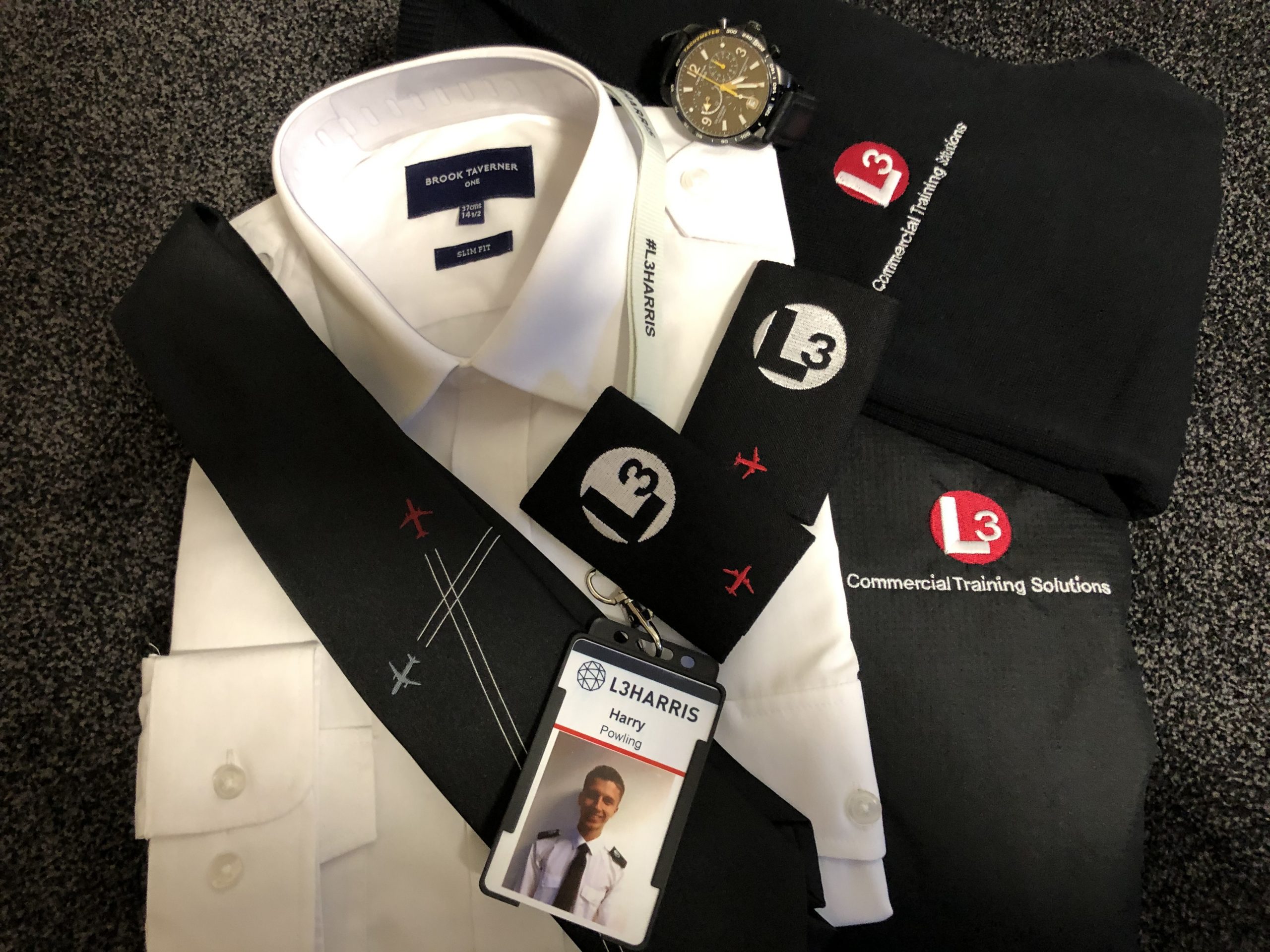
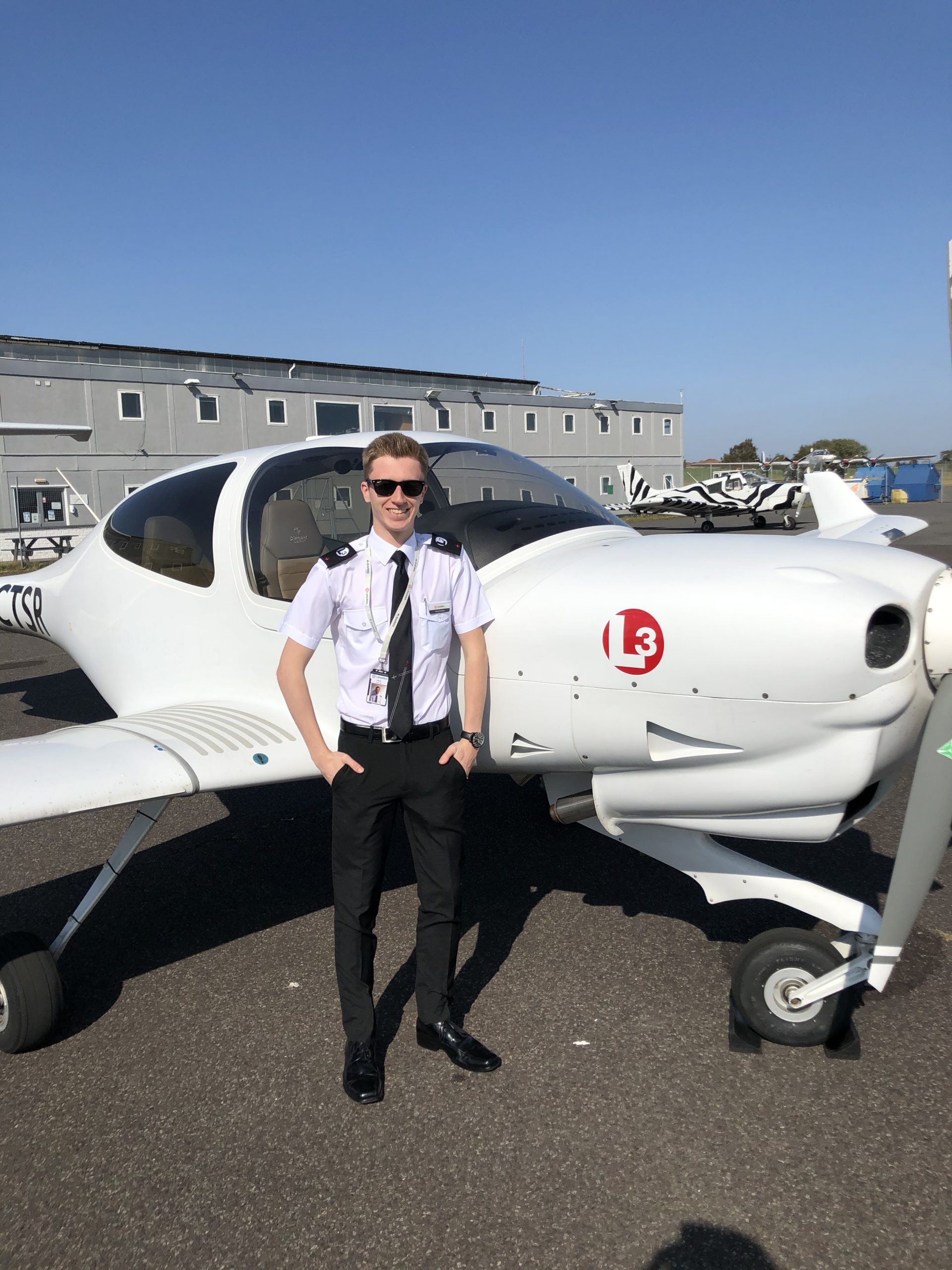
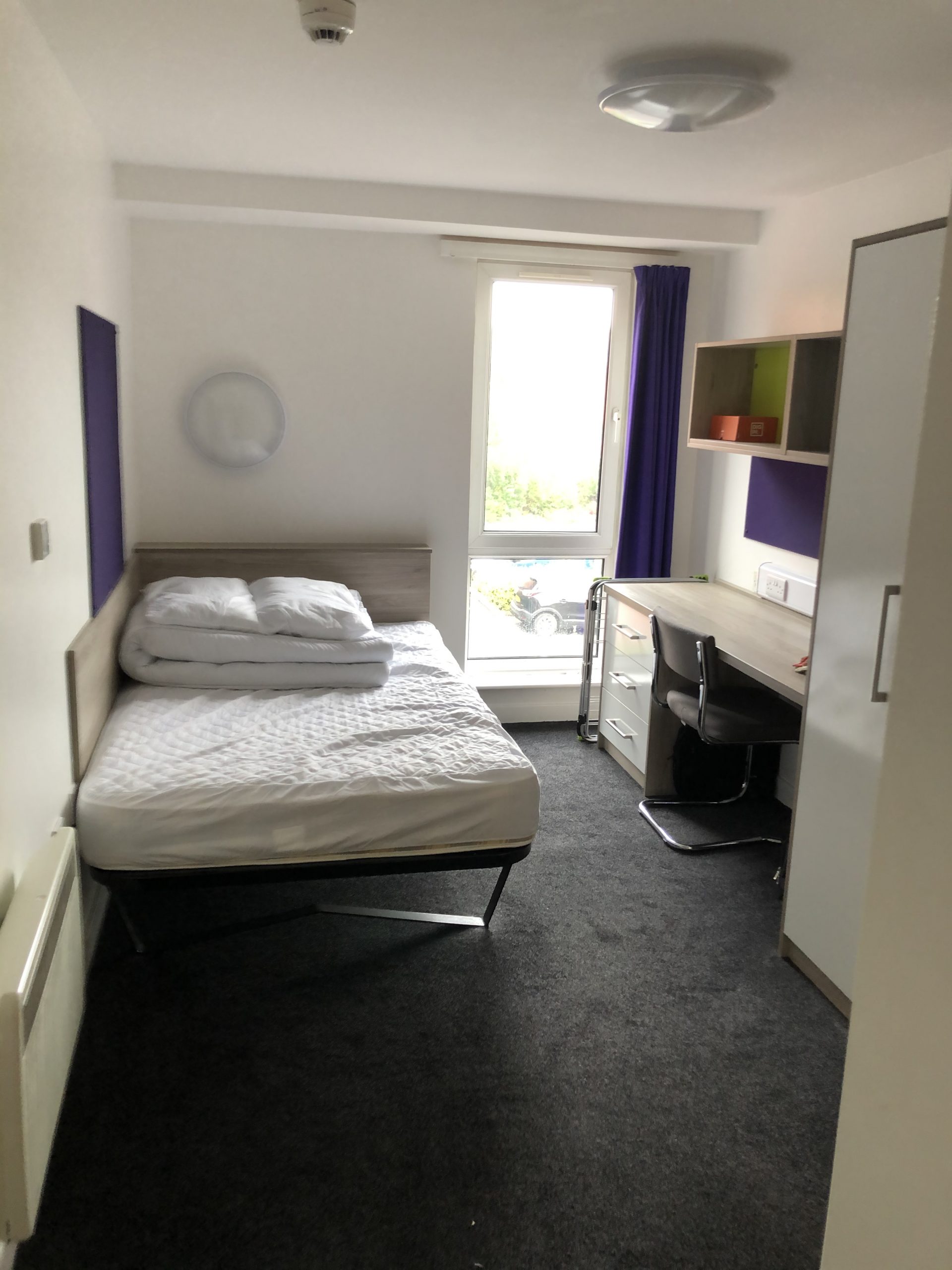
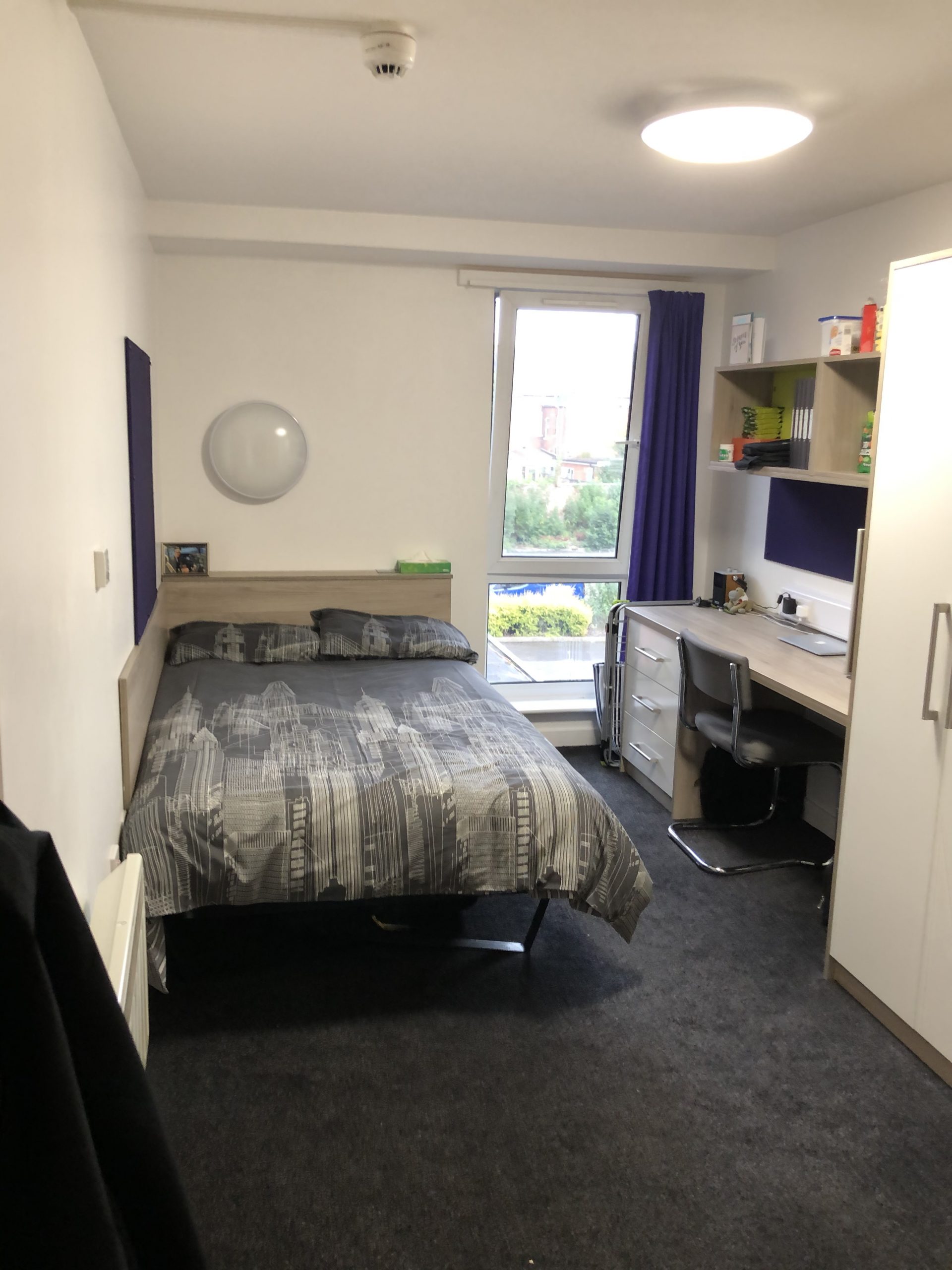
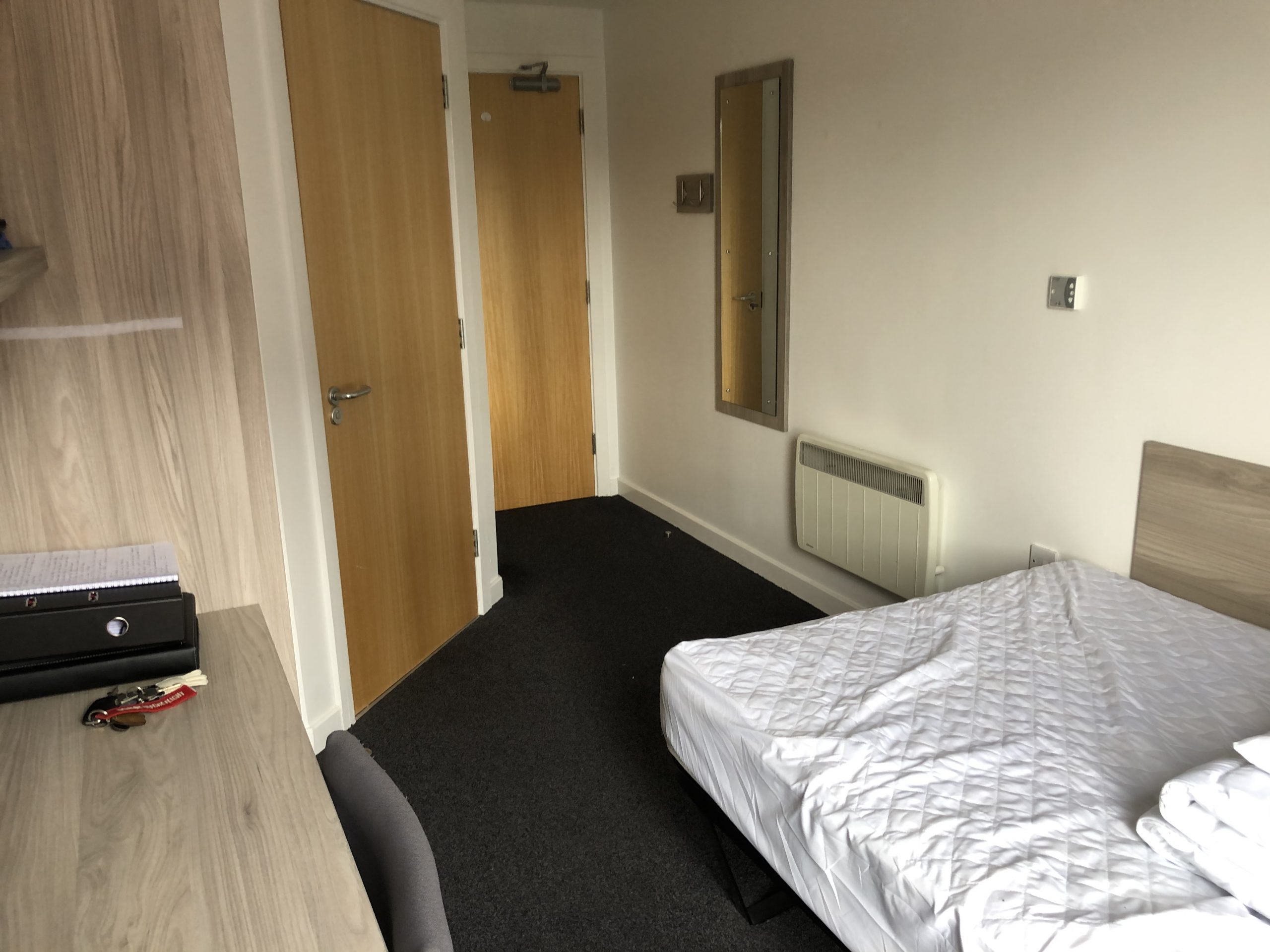
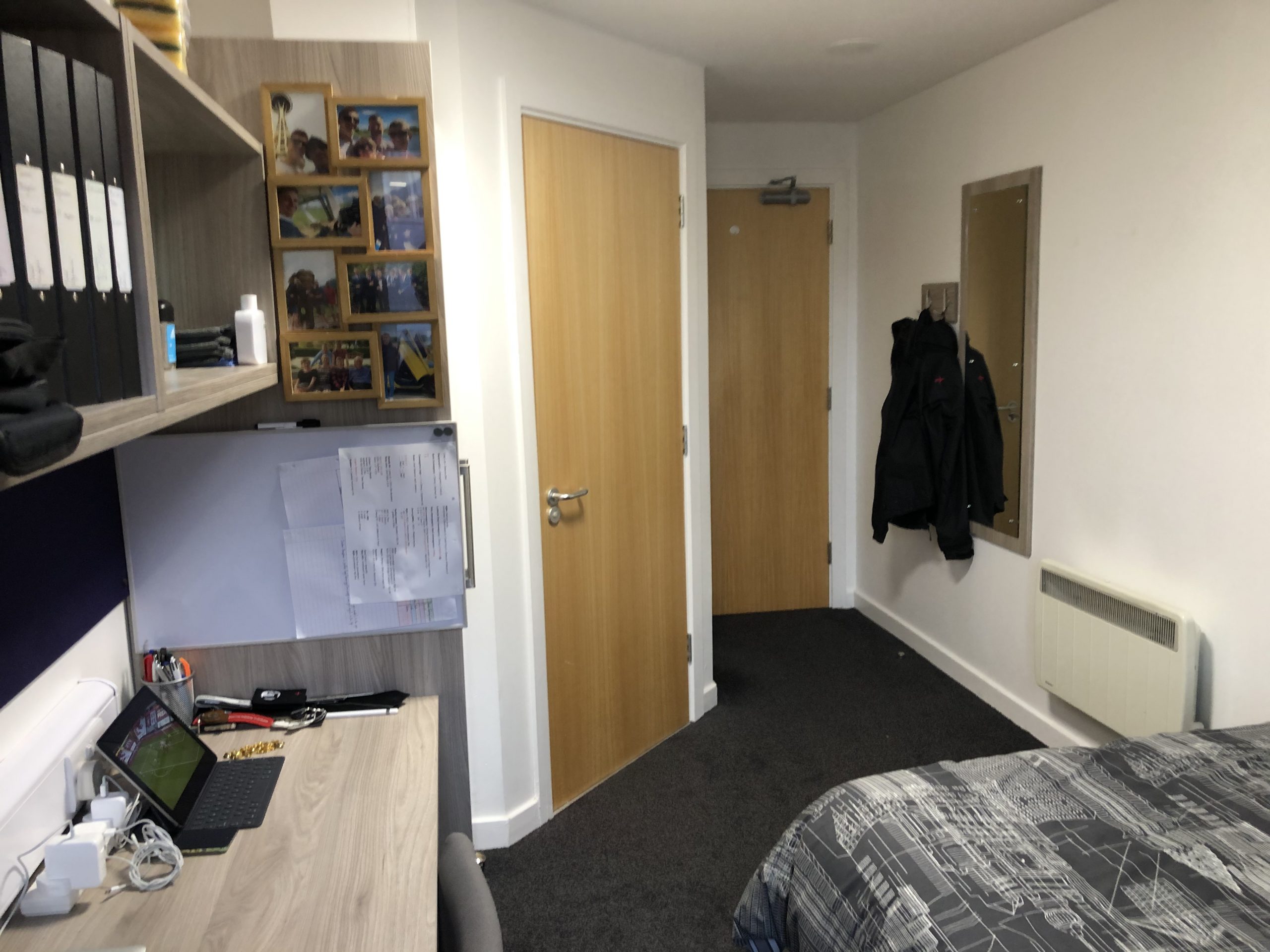
Moving onto the accommodation provided by L3Harris in Coventry. The best way to describe it, is your basic student accommodation. In the block I was in, there were 2 flats per floor, and in each flat there was 5 rooms and 1 shared kitchen. The room itself was a fair size, and speaking to others who have been to university it appears it was slightly bigger than average which isn’t a bad thing considering you spend your evenings and weekends revising in there! The rooms were big enough to contain a double bed with space underneath, 2 pinboards, a desk with overhead storage space, a double door wardrobe, a drawers unit and an en-suite bathroom containing a toilet, sink and shower. It was our responsibility to keep our room clean and tidy, and we had an ‘artistic licence’ with it so we could make it feel more homely which I did with a couple of photos dotted around (plus a secret stash of biscuits somewhere!) The kitchen has 2 fridges, 2 freezers, quite a lot of cupboard space, a hob, an oven, a microwave and a sink with draining board. Then inside one of the cupboards it has an iron and ironing board so we could maintain our appearance as mentioned above. As I said, it is basic, but what more could you need? It was clean and tidy and served as a perfect home away from home for the few weeks I was actually in Coventry! Inside Liberty Park there were washing machines and driers and a reception manned 24 hours a day, 7 days a week for any questions or queries we had, so everything we needed was on site and easily accessible to all.
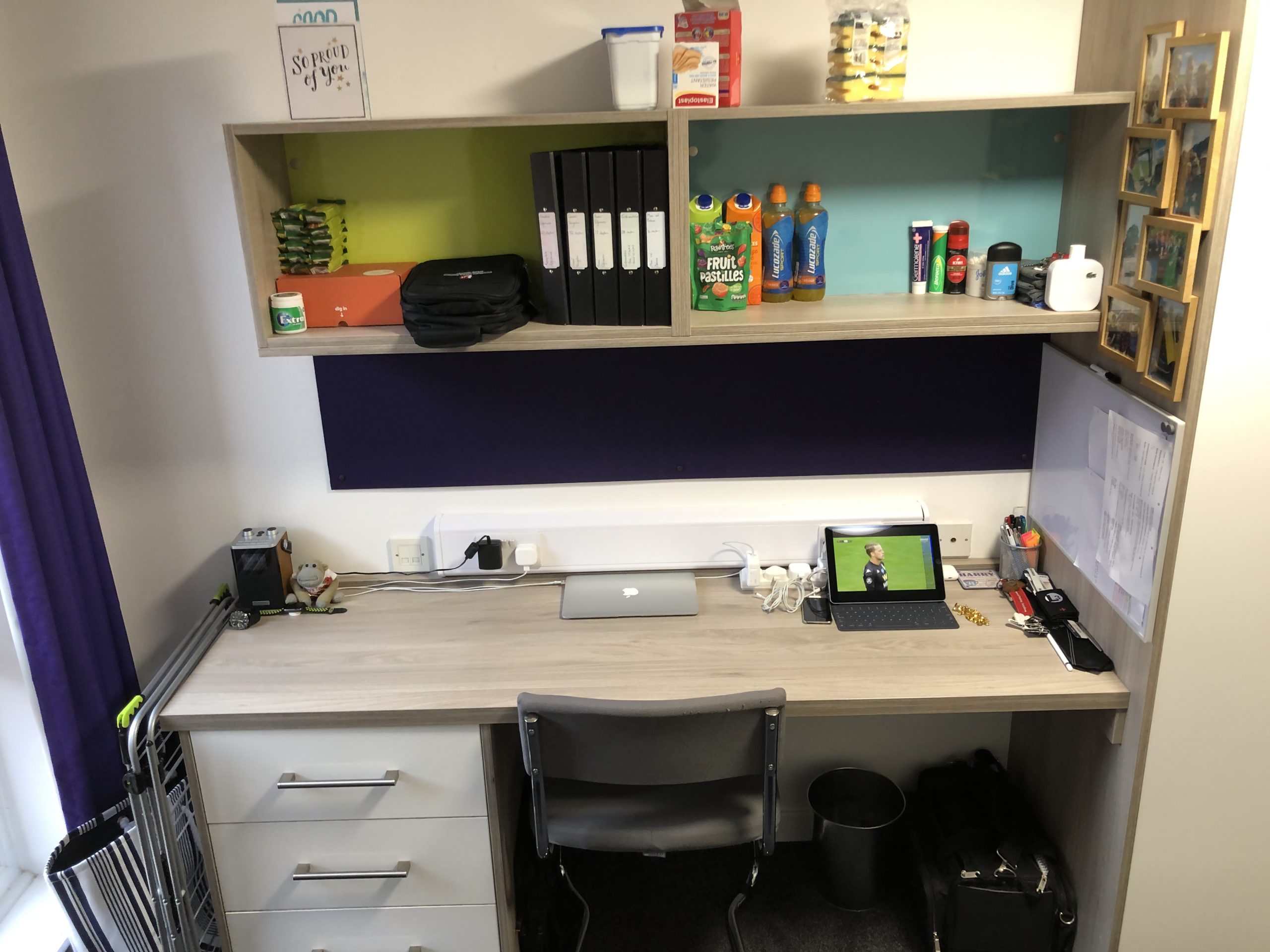
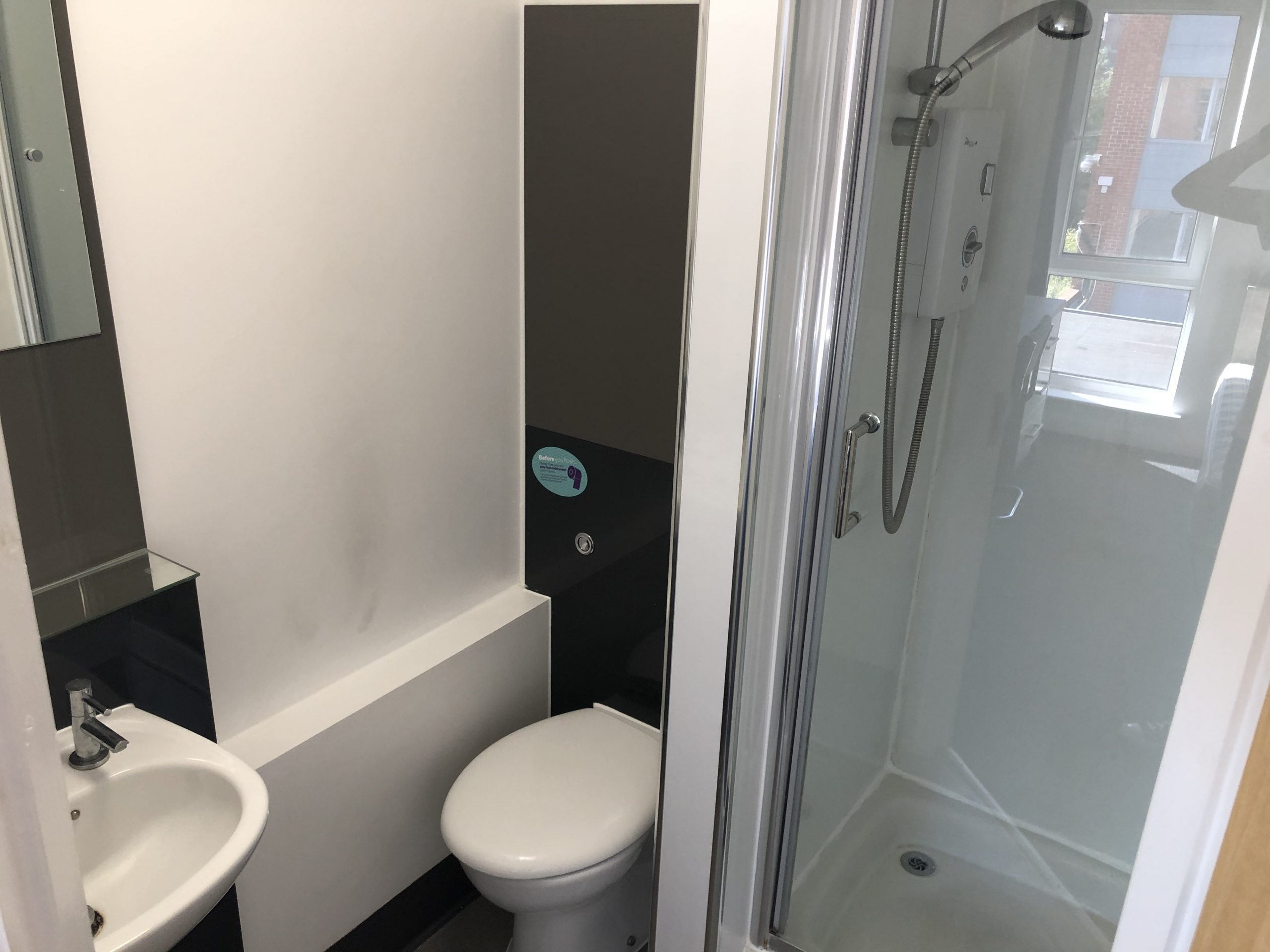
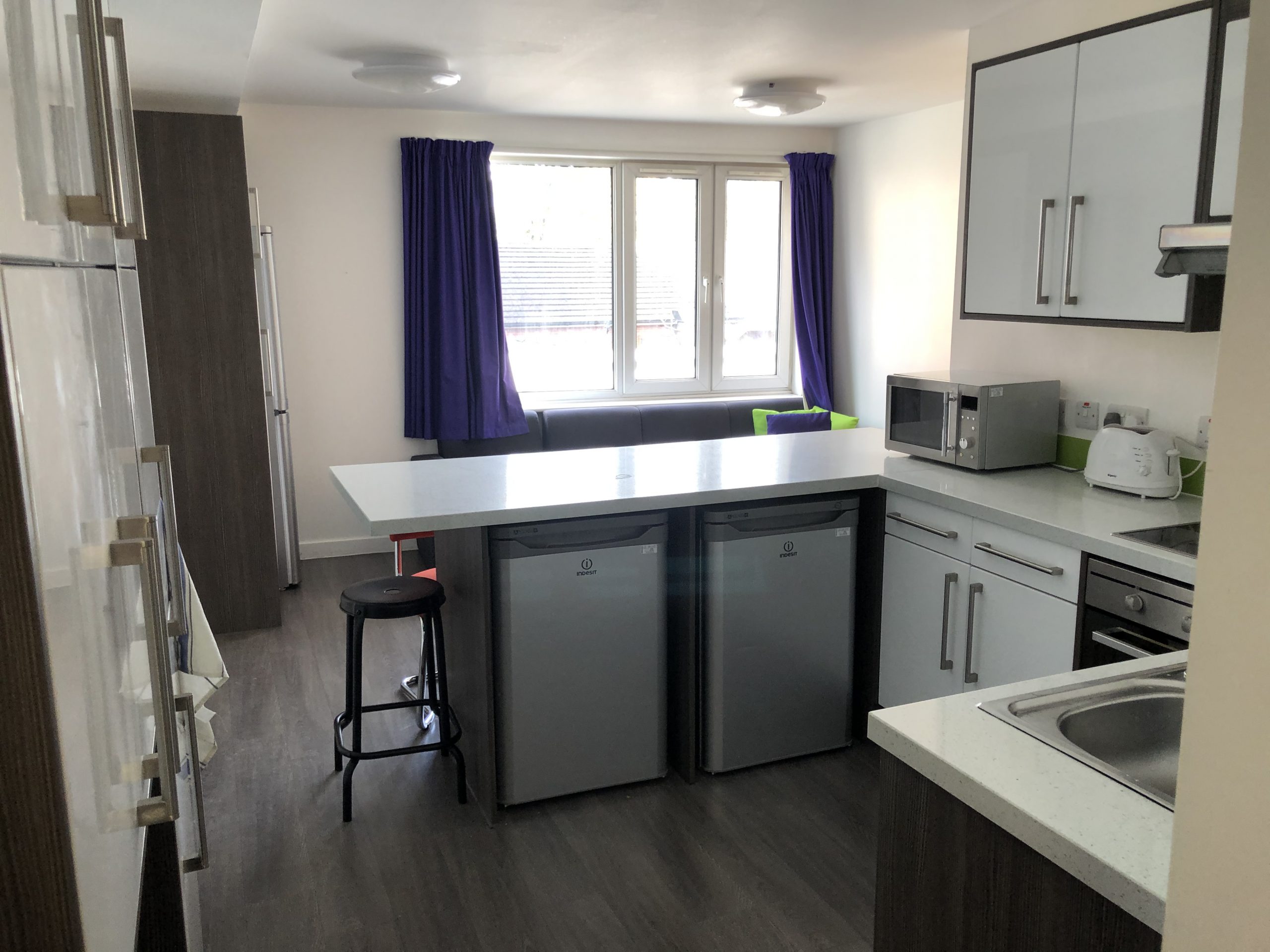
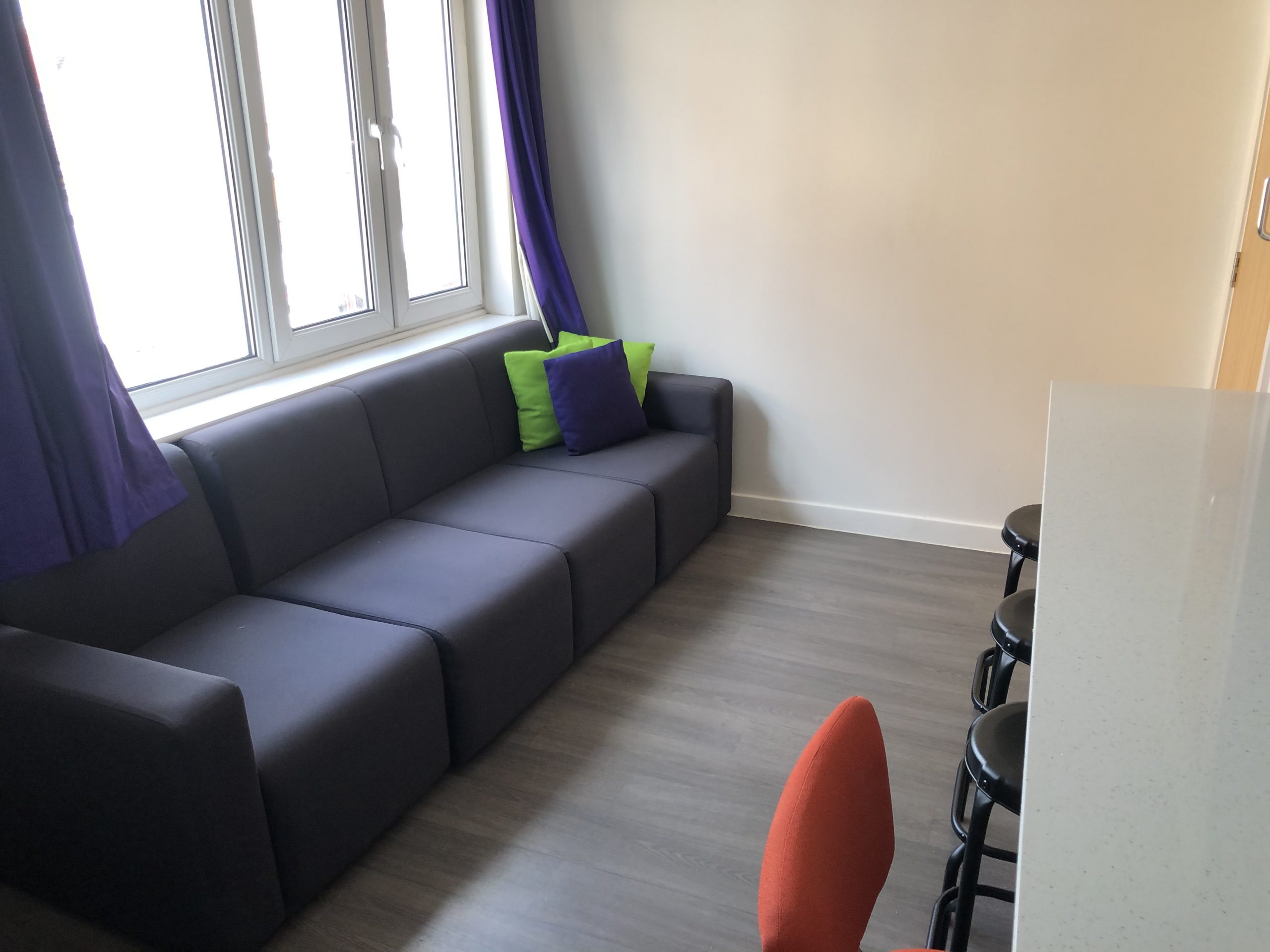
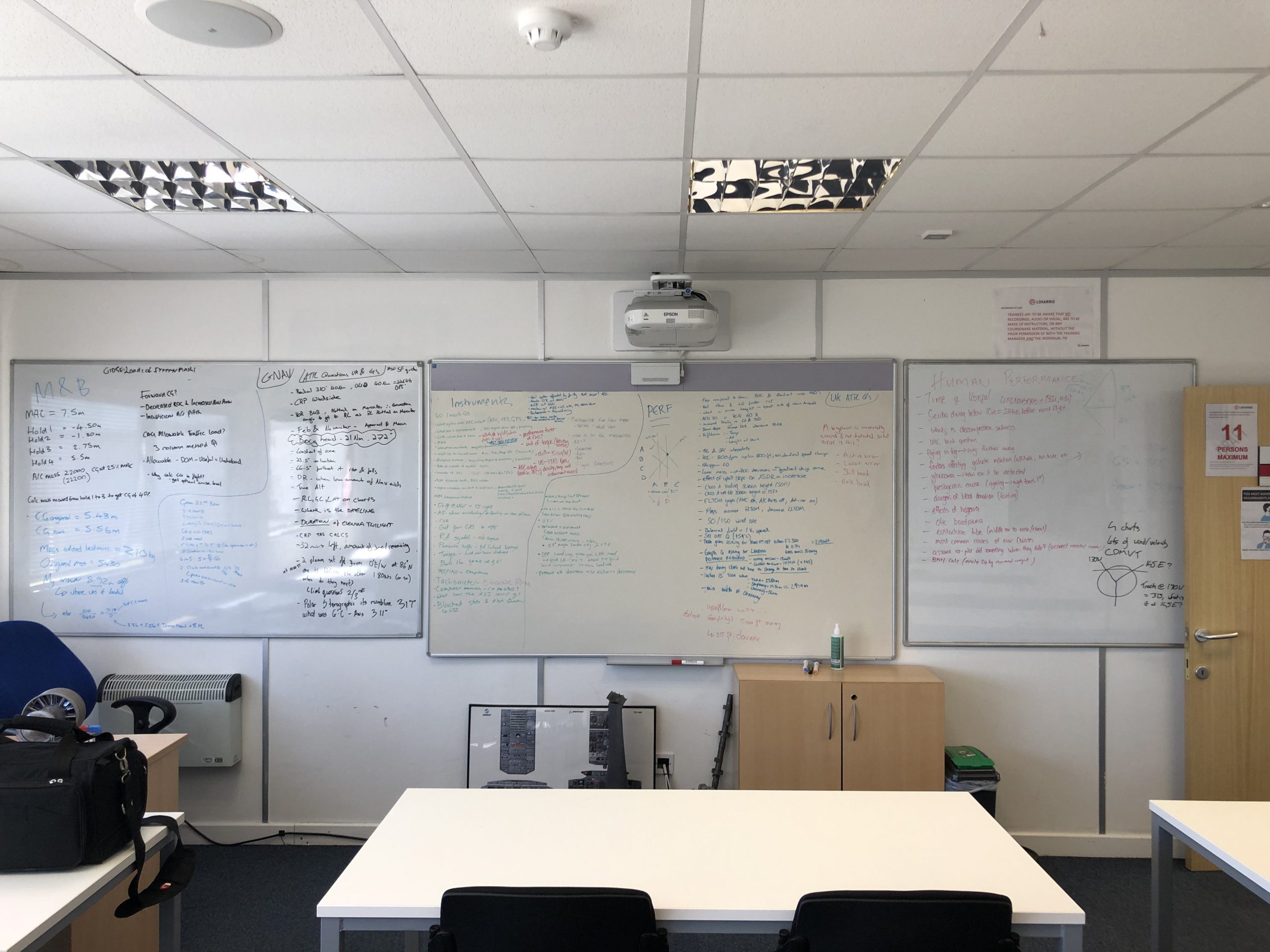
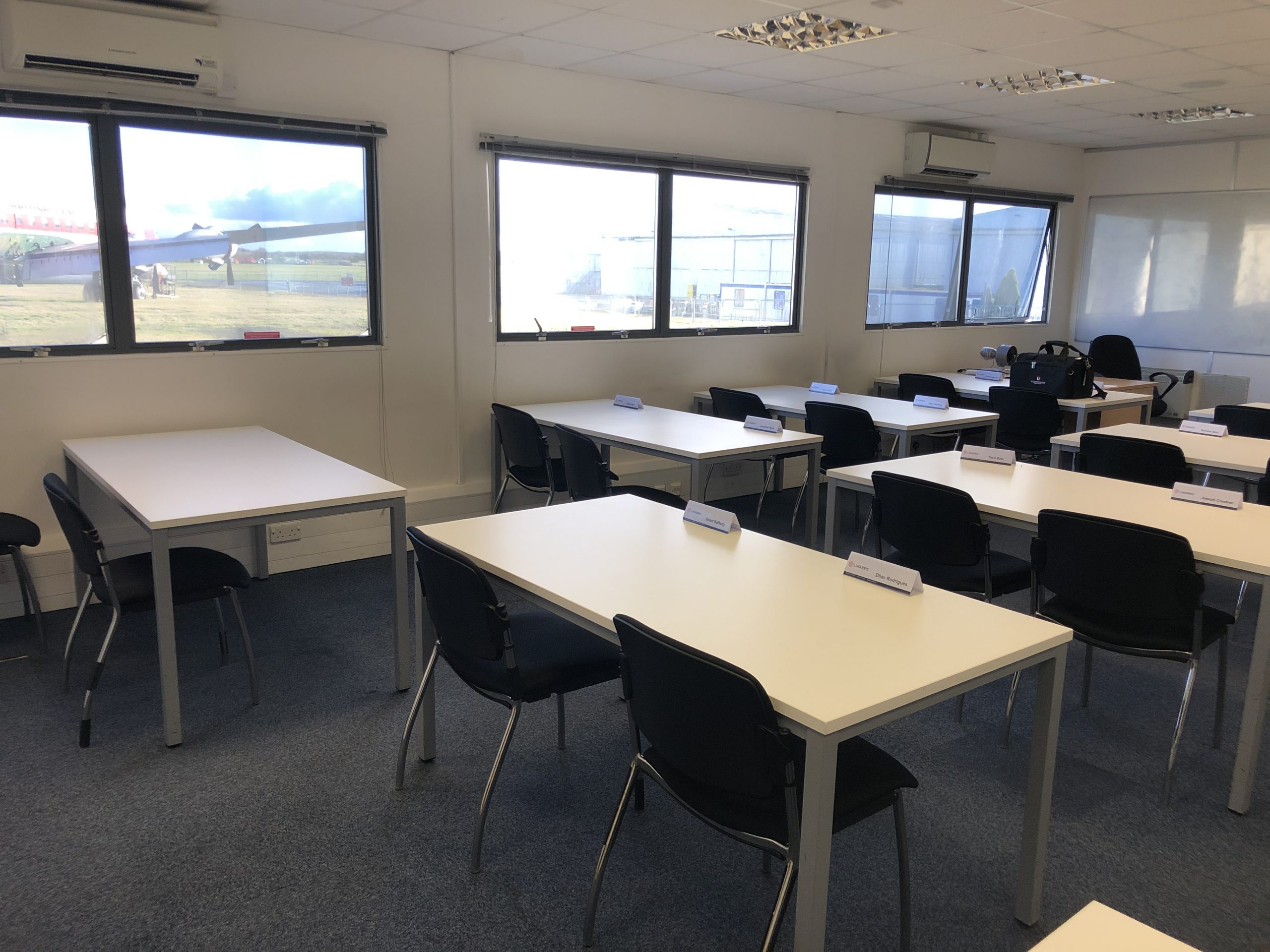
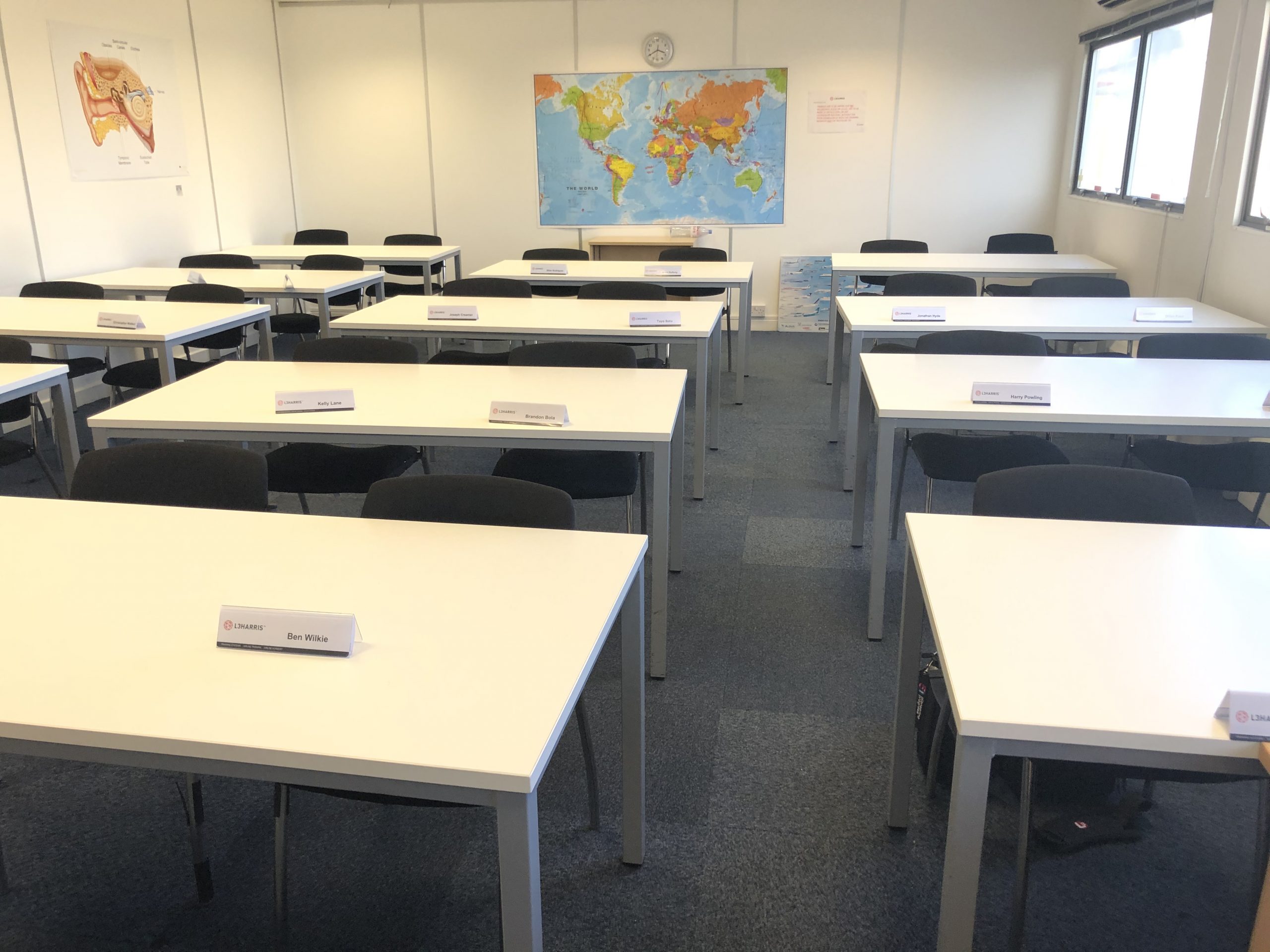
At L3Harris in Coventry, the facilities weren’t the most advanced thats fair to say, or at least when compared to their bright and shiny new complex near Gatwick. However, wen you have a view out of your classroom window to see an active runway, there’s not a lot more you need other than desks, chairs and a whiteboard at the front. In our classroom there were a total of 13 desks of 2 people which gives you an indication already that class sizes are small to give them a more personal feel to them, and all of our desks weren’t full used. On the walls where there weren’t windows, we had maps and other illustrative diagrams of concepts we were going to be learning or are learning. Which provided a very useful base point for reference when inside the classroom. We also had a few models of planes, some with working controls to demonstrate what would happen in certain scenarios, so could provide a visual illustration of what’s happening when you, bank left for example. Although the facilities may not have been the bright, shiny new ones at Gatwick, there was something that made all the difference, and that was the instructors. They were first class, top drawer, five star, there really isn’t enough words to describe them. They stayed after lessons if you needed help, in before lessons, always accessible by email and phone at any point in the day, and since passing ground school, many of us have connected with them on social media platforms to say in touch in the future. Every single one of them was fantastic and I cannot thank them enough for everything that they’ve done for me over my 242 days in ground school.
Course-mates and flat-mates
Dilan P, Jonathan, Ben, George, Brandon, Kelly, Tayo, Grant, Dilan R, Harry I, Gurpreet, Nina, Rebecca, Chris, Seth, Jamie and Rob, or more commonly known as CP234. You were all a fantastic bunch to share my ground school with. Despite not always being there in person, we’ve had some great laughs and getting to know you all was fantastic, I really hope we’re together for our flying training or as much as we can be as we are a large CP.
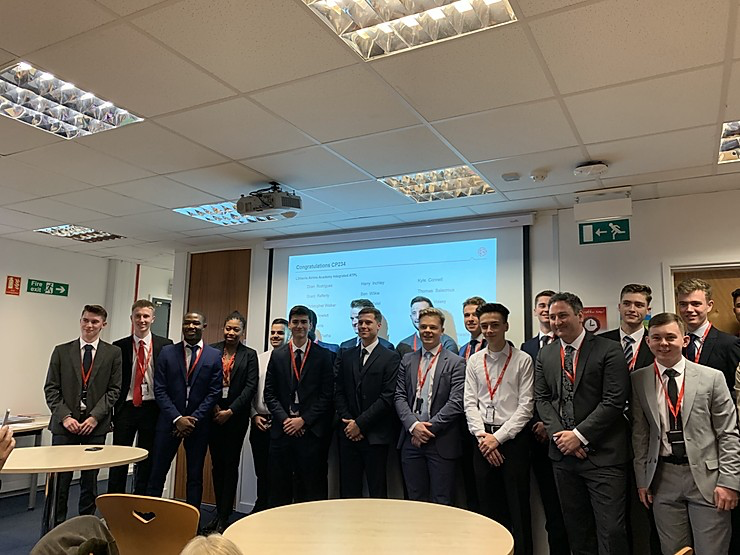
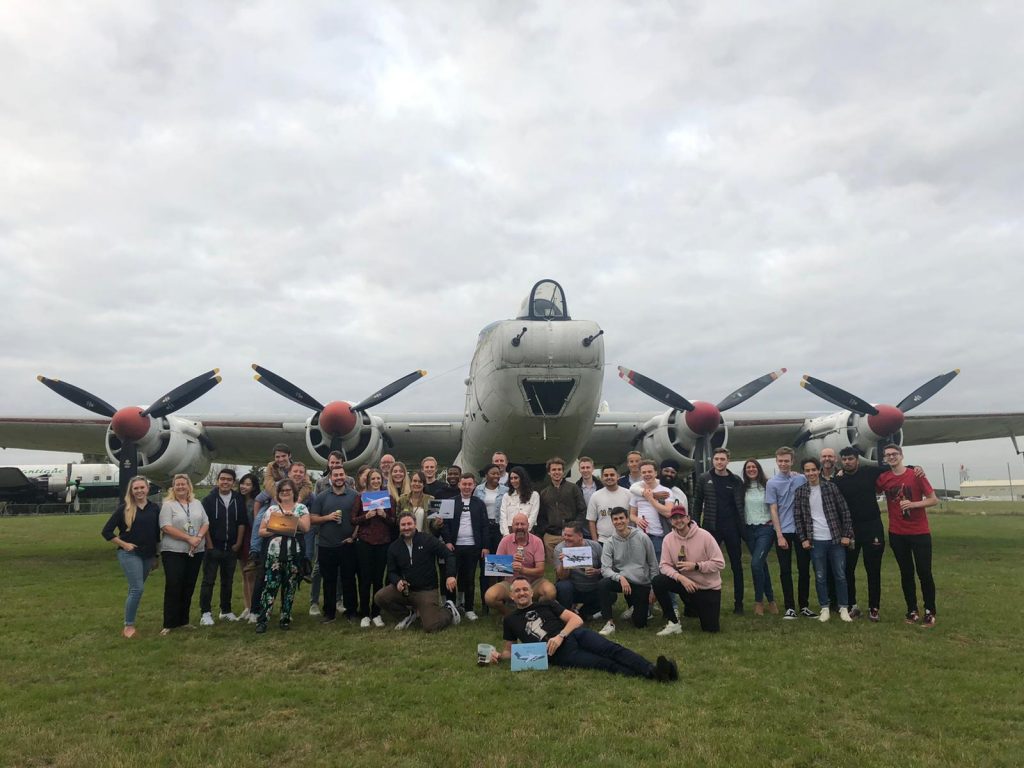

In our first few weeks we organised a 5-a-side football tournament to give ourselves an evening off from revision and to blow off some steam, and I’m still going to boast that the dream team of Jamie, Grant, Dilan R, Rob, Tayo, Brandon and myself won 7-2. Depending on when and where we’re flying, maybe the second leg may be possible?! But this wasn’t it, on our first night as official students, we went to The Aardvark Pub across from our accommodation to get to know each other better over some food and drinks and I think for this moment on, this is when we realised we were all a great bunch of people who all got along with each other. Unfortunately, due to the outbreak of Covid-19 across the globe, we haven’t managed to get many more get togethers, apart from celebrating together after our exams. However, once all of this is behind us, we’ll definitely have to meet up at some point and finally have a night out as CP234.
Kyle, Thomas, Joe and Josh, I wouldn’t have asked for better flat-mates to share my time with in Coventry, you were all a great laugh and so much fun to be around, not to mention a great help when it came to revising as a group or asking questions when we got stuck a certain area. Again, if it wasn’t for Covid-19, I’m sure we could’ve had some more great nights together in Flat 722. We invented the game ‘Oranges’, drew portraits of each other and general tacking mickey out of one another was always a great laugh.
Next steps…
So what are the next steps for me going forward? Quite simply put, it’s the fun part! The next stage for me is my foundation flying, and currently, although subject to change, I am meant to be going to Ponte De Sor in Portugal around the middle of January. However, with the world not knowing what’s going on with Covid-19 where one day it appears under control and the next day its not, this is all subject to change still. Fingers crossed however, we can still go flying while ensuring that ourselves and others are safe from the virus or to minimise the risks associated with it.
Until the next time, I’ve tried setting up Pilot Powling on all forms of social media I can think of, so if you could please be so kind and give it a like, follow or share, I’d be extremely grateful.
- Facebook – https://www.facebook.com/PilotPowling
- Twitter – https://twitter.com/PilotPowling
- Instagram – https://www.instagram.com/pilot_powling/
As time goes on, I’ll post more photos of myself flying outside of blogs while continuing to write my blogs to provide a written insight into what I’ve been doing. But while I’m flying, there will be some amazing views and footage that I won’t be able to wait until I have enough information for a blog!
Until next time, where hopefully I’ll be reporting from Portugal; stay safe and look after those around you and soon enough we’ll all get through this and be stronger on the other side. Many thanks once again for all of your support and continued interest even when there are bigger fish that need frying, it means a lot to me.